Charting the synchronization between slot volatility patterns and federal licensing protocols in Switzerland's digital wagering apps
Viktor Lehmann · Oct 18, 2026
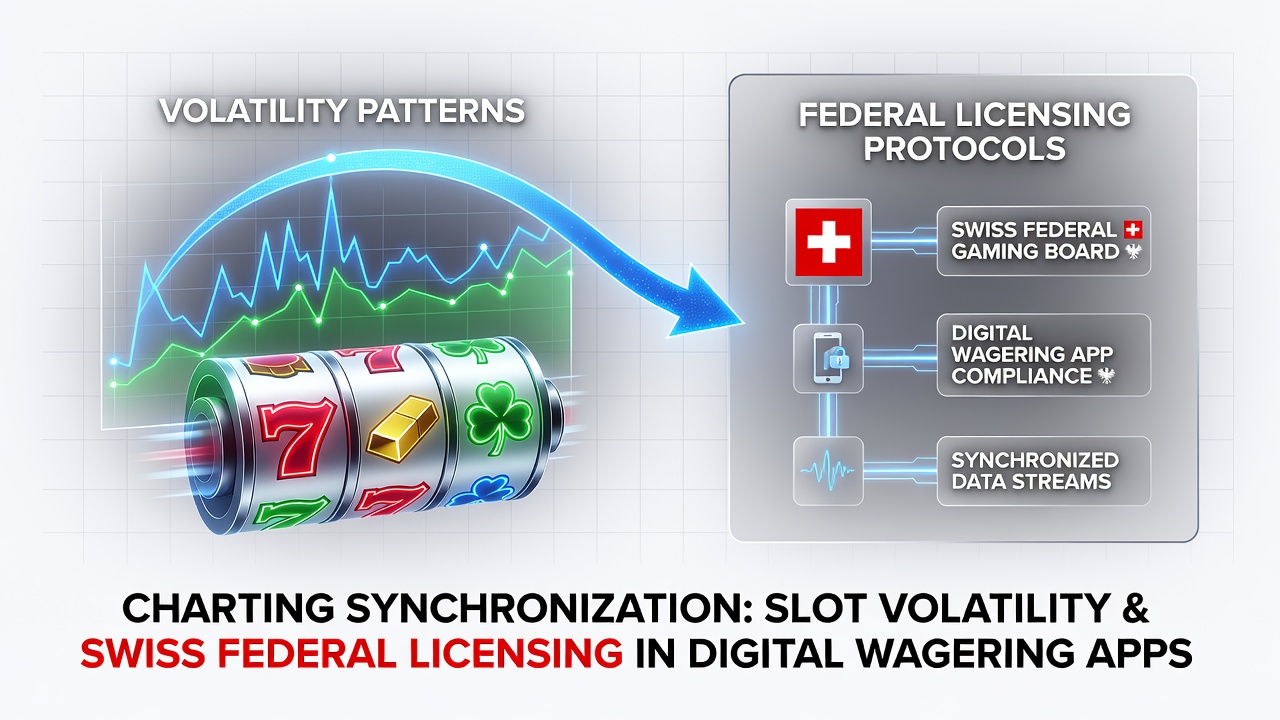
Charting the synchronization between slot volatility patterns and federal licensing protocols in Switzerland's digital wagering apps
Federal licensing protocols in Switzerland require digital wagering apps to align slot volatility patterns with strict regulatory benchmarks that monitor return-to-player rates and random number generator integrity across all licensed platforms. Data from the Eidgenössische Spielbankenkommission shows that operators must submit detailed volatility reports quarterly to maintain active federal concessions under the Games of Chance and Casinos Act. These reports track how high-volatility slots produce infrequent large payouts while low-volatility options deliver steadier smaller wins, and both categories undergo certification checks that verify compliance before any app update reaches users.
Researchers at Swiss universities have documented how volatility metrics feed directly into licensing renewal processes, because authorities evaluate whether payout distributions remain consistent with approved mathematical models. Operators integrate automated monitoring tools that flag deviations in real time, allowing swift adjustments before audits occur. In October 2026, updated federal guidelines will introduce enhanced synchronization requirements that tie volatility data streams more closely to licensing dashboards used by oversight bodies.
Regulatory framework governing volatility tracking
Switzerland's federal system demands that every licensed digital wagering app demonstrates precise control over slot volatility through certified software modules that log pattern data continuously. The framework separates oversight between federal and cantonal levels, with the federal authority handling online casino concessions while cantons manage smaller gaming formats. Observers note that this division creates clear pathways for volatility data to reach the correct review panels without overlap or delay.
According to official records from the Swiss Federal Council, licensing applications must include volatility simulations that project outcomes over millions of spins. These simulations help authorities confirm that high-volatility slots do not exceed risk thresholds set for player protection measures. Experts have observed that apps failing to synchronize these patterns with protocol standards face delayed approvals or mandatory feature restrictions until corrections are verified.
Technical integration of volatility data in licensed apps
Developers embed volatility tracking algorithms directly into game engines so that every spin outcome contributes to compliance logs reviewed during federal inspections. These logs capture metrics such as hit frequency, payout variance, and session duration, then route the information through encrypted channels to central regulatory repositories. Industry reports indicate that synchronization occurs automatically at predefined intervals, reducing manual reporting burdens while maintaining audit trails.
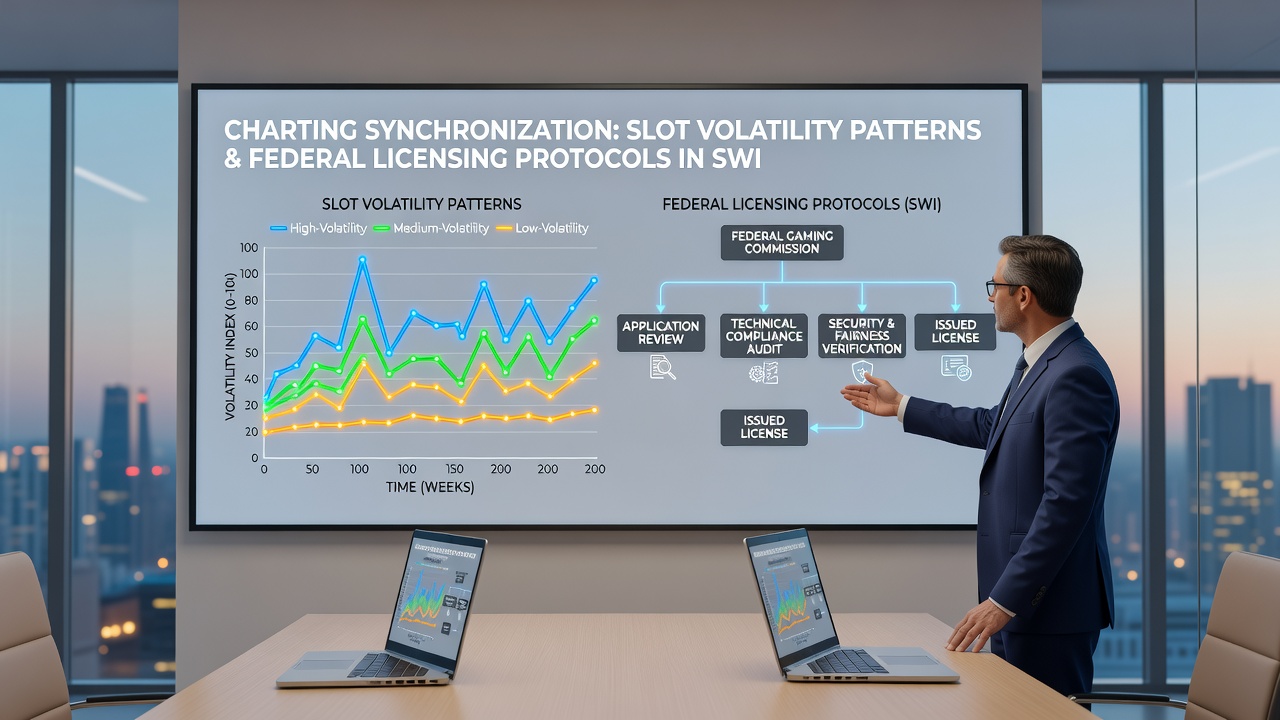
Case studies from multiple Swiss operators reveal that platforms using real-time volatility dashboards experience fewer compliance interruptions during routine federal checks. The systems cross-reference live pattern data against historical benchmarks established at the time of initial licensing, which ensures ongoing alignment. When discrepancies appear, automated alerts trigger review processes that pause affected games until resolution is confirmed by technical experts.
Impact on app development and updates
Developers working on Swiss digital wagering apps must coordinate volatility adjustments with licensing protocol changes because any modification to slot parameters requires prior approval from federal bodies. This coordination extends to third-party software providers who supply certified random number generators tested against volatility standards. Data collected through 2025 shows that synchronized updates reduce the average time from submission to deployment by approximately thirty percent compared with earlier non-integrated workflows.
One study conducted by a European research consortium found that Swiss operators who maintain continuous data feeds between volatility engines and licensing portals report higher renewal success rates. The findings highlight how predictive analytics now play a central role in forecasting compliance needs ahead of October 2026 deadlines. Operators use these analytics to model potential volatility shifts that could affect licensing status, then implement preemptive corrections through controlled app releases.
Future synchronization milestones
Scheduled enhancements in October 2026 will expand the range of volatility metrics that federal systems monitor automatically, incorporating elements such as bonus round frequency and progressive jackpot triggers. These additions aim to create tighter integration loops between app performance data and licensing verification modules. Authorities have published preliminary technical specifications that detail required data formats and transmission protocols for the upcoming phase.
International comparisons with systems in Canada and Australia demonstrate similar trends toward automated synchronization, although Swiss protocols emphasize federal-level data aggregation more strongly. Organizations such as the European Gaming and Betting Association have published analyses showing how standardized volatility reporting improves cross-border regulatory cooperation without compromising national sovereignty over licensing decisions.
Conclusion
Switzerland's approach to linking slot volatility patterns with federal licensing protocols establishes a structured model that other jurisdictions continue to examine. The ongoing refinements scheduled for October 2026 build on existing data infrastructure to strengthen oversight while supporting operational efficiency for licensed operators. Continued monitoring by regulatory and academic bodies will determine how these synchronized systems evolve in response to technological advances in digital wagering applications.