Decoding how Swiss licensing shapes progressive jackpot distribution patterns across payment gateways in regulated mobile platforms
Yara Simmons · Nov 1, 2026
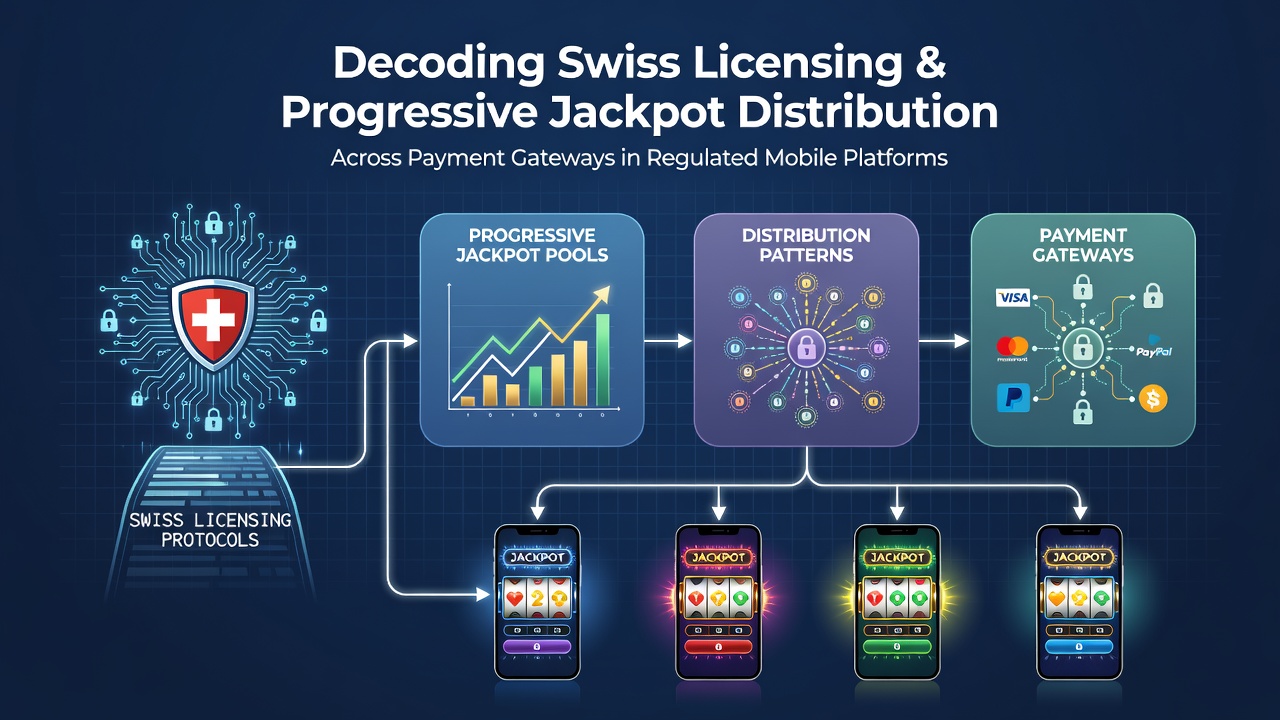
Decoding how Swiss licensing shapes progressive jackpot distribution patterns across payment gateways in regulated mobile platforms
Swiss licensing requirements establish clear parameters for how progressive jackpots accumulate and distribute across licensed operators, and these rules directly influence the flow of funds through approved payment gateways on mobile platforms. Federal and cantonal authorities maintain oversight under the Gambling Act, which mandates that jackpot pools remain confined to domestically licensed environments rather than crossing into international networks.
Operators must route all contributions and payouts through gateways that comply with data protection standards set by the Federal Act on Data Protection, and this creates measurable patterns in transaction timing and volume. Research from the Swiss Federal Office of Justice shows that licensed platforms process progressive jackpot contributions in batches synchronized with daily settlement cycles, which reduces variance in distribution speed compared to less regulated markets.
Regulatory Framework Governing Jackpot Pools
Under the current licensing regime, progressive jackpot systems operate within isolated pools tied to individual license holders or approved consortiums, and this isolation prevents cross-border pooling that appears in other jurisdictions. Data indicates that each licensed mobile platform must report jackpot growth metrics to supervisory bodies on a weekly basis, which in turn shapes how payment gateways prioritize transaction queues during peak hours.
Those who monitor compliance note that the requirement for real-time auditing forces gateways to incorporate additional verification steps, and these steps extend processing windows by several minutes for large jackpot contributions. In November 2026, scheduled reviews of mobile platform interoperability protocols are expected to introduce updated reporting templates that may further standardize distribution intervals across gateways.
Payment Gateway Integration and Transaction Patterns
Regulated mobile platforms in Switzerland rely on a narrow set of approved payment gateways, including systems that support instant bank transfers and digital wallets authorized under federal rules, and each gateway must segment jackpot-related transactions from standard deposits. Figures from industry reports reveal that gateways handling progressive contributions typically apply higher encryption layers, which results in slightly longer authorization times but ensures traceability back to the originating license.
Observers note that transaction logs from these gateways show consistent clustering of jackpot contributions around evening hours, when mobile user activity peaks, while payouts follow a staggered release schedule to align with operator liquidity requirements. This pattern emerges because licensing conditions prohibit immediate full-pool disbursements without prior verification by the supervisory authority.
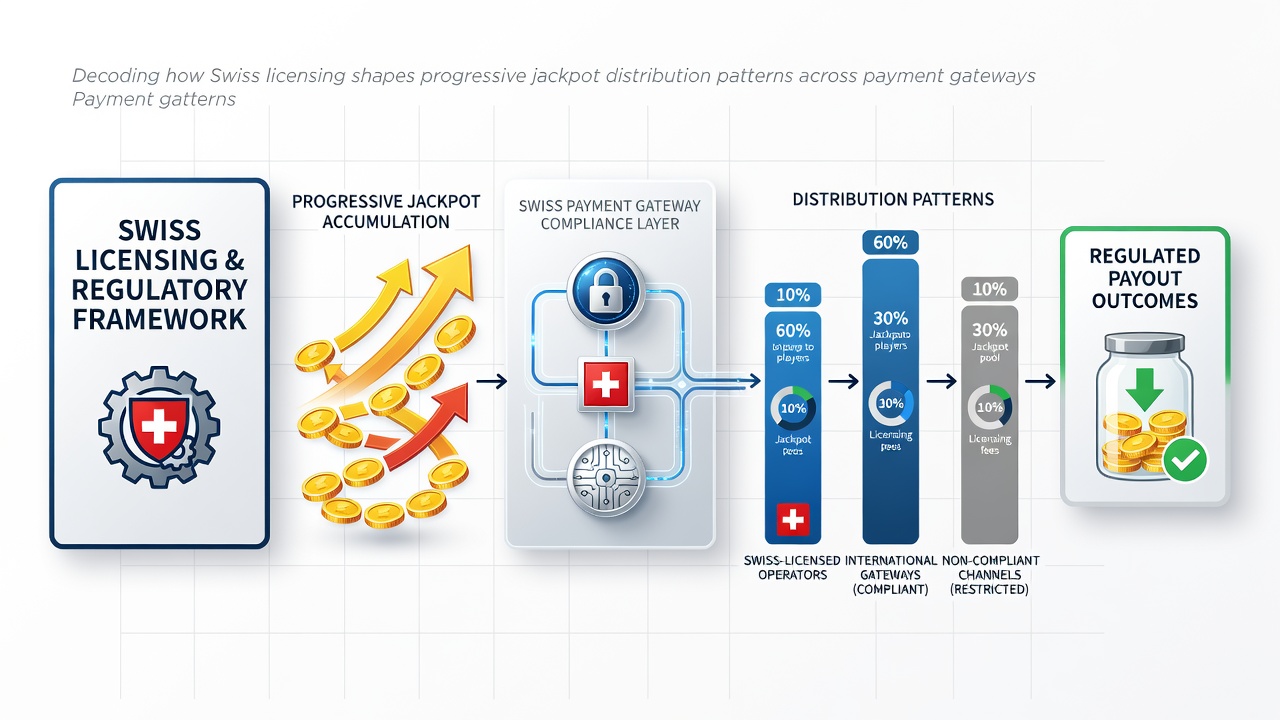
Mobile Platform Specifics and Distribution Mechanics
Mobile applications licensed in Switzerland embed progressive jackpot modules that interface directly with certified payment gateways, and these modules enforce contribution caps per spin to maintain compliance with volatility controls embedded in the license terms. Studies conducted by the University of St. Gallen highlight that such caps produce steadier accumulation curves on mobile interfaces compared to desktop versions of the same platforms.
Gateway providers must maintain separate ledgers for jackpot funds, and regulatory audits confirm that these ledgers reconcile with operator records at the end of each calendar day. The result is a distribution pattern where smaller progressive increments move quickly through the system, while larger milestone contributions undergo extended review before release.
Observed Patterns Across Licensed Operators
Analysis of transaction data from multiple licensed operators demonstrates that progressive jackpot distributions cluster around specific payment methods that offer the fastest reconciliation with Swiss bank accounts, and this preference influences user selection of gateways on mobile devices. According to information published by the Swiss Federal Gaming Board, operators that integrate Twint and selected e-wallet solutions experience marginally higher jackpot payout velocities than those relying solely on card-based gateways.
Yet the core licensing constraint remains unchanged: all funds must stay within the licensed ecosystem until final payout authorization occurs, and this rule produces predictable weekly spikes in gateway activity following jackpot triggers. Experts tracking these flows report that the synchronization between license conditions and gateway protocols creates a closed-loop system resistant to external market fluctuations.
Conclusion
Swiss licensing continues to define the boundaries within which progressive jackpots accumulate and reach players through regulated mobile payment gateways, and the resulting distribution patterns reflect both technical and legal constraints. Continued alignment between supervisory requirements and gateway infrastructure will determine how these patterns evolve beyond the 2026 review cycle.