Mapping Transaction Timelines With Swiss Legal Safeguards in Digital Table Game Environments
Kai Coleman · Sep 20, 2026
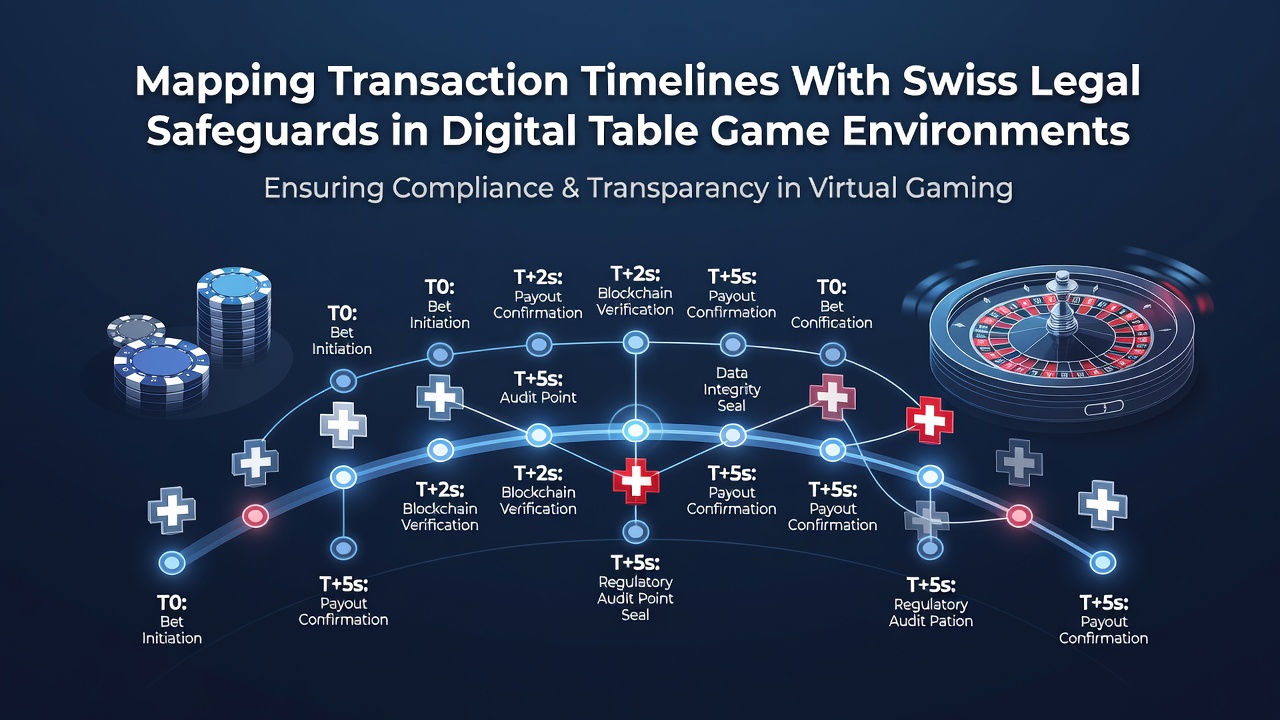
Mapping Transaction Timelines With Swiss Legal Safeguards in Digital Table Game Environments
Digital table game environments in Switzerland operate under a framework that requires platforms to map every financial transaction from initiation through completion, and this process connects directly to legal requirements that govern timing, documentation, and verification steps. Licensed operators track deposits, wager placements, and withdrawals in sequences that align with federal rules on anti-money laundering and player protection, while data from these systems supports audits conducted by regulatory bodies.
Transaction mapping begins when a player initiates a deposit, at which point platforms record the amount, payment method, and timestamp before funds reach the gaming account, and this initial entry forms the starting point for a timeline that continues through each bet placed on games such as roulette or blackjack. Swiss regulations mandate that these records remain accessible for defined periods, allowing authorities to reconstruct sequences when needed, and operators integrate automated tools that flag deviations from standard patterns during live play sessions.
Core Components of Timeline Mapping
Each mapped timeline captures the interval between deposit confirmation and first wager, the duration of active play across multiple hands or spins, and the point at which withdrawal requests are submitted, while systems log these events with millisecond precision to support compliance checks. Data from these records reveal average processing intervals for different payment rails, and platforms adjust internal procedures based on observed patterns that emerge across thousands of sessions.
Researchers at Swiss academic institutions have examined how timeline granularity affects detection of irregular activity, and findings indicate that shorter intervals between high-value transactions often trigger additional verification layers required under current statutes. Platforms therefore maintain layered logs that separate player-initiated actions from system-generated confirmations, creating a dual record that satisfies both operational needs and legal demands.
Swiss Legal Framework Governing Transaction Records
Federal statutes administered through the Swiss Federal Gaming Board establish minimum retention periods for transaction data and specify which details must accompany each entry, including player identifiers, game type, stake amounts, and outcome results. These rules apply uniformly to licensed digital table game offerings, and operators must demonstrate during periodic reviews that their mapping systems capture every required element without gaps. According to documentation from the Federal Office of Justice, non-compliance with timeline documentation standards can result in license reviews or operational restrictions.
Platforms also align internal controls with broader financial regulations that address cross-border fund movements, and this alignment ensures that transaction sequences involving international payment providers follow the same logging protocols applied to domestic methods. Updates scheduled for September 2026 will introduce enhanced requirements for real-time reporting of certain high-value sequences, and operators are already adjusting software architectures to meet the new specifications.
Implementation in Live Digital Table Settings
In practice, mapping occurs through integrated software that interfaces with both the game server and the payment processor, and this integration allows timelines to update continuously as players move between different table formats. One study conducted by European research consortia found that synchronized logging reduces discrepancies between reported and actual fund movements by measurable percentages, and Swiss platforms have adopted similar synchronization techniques to maintain consistency across sessions.
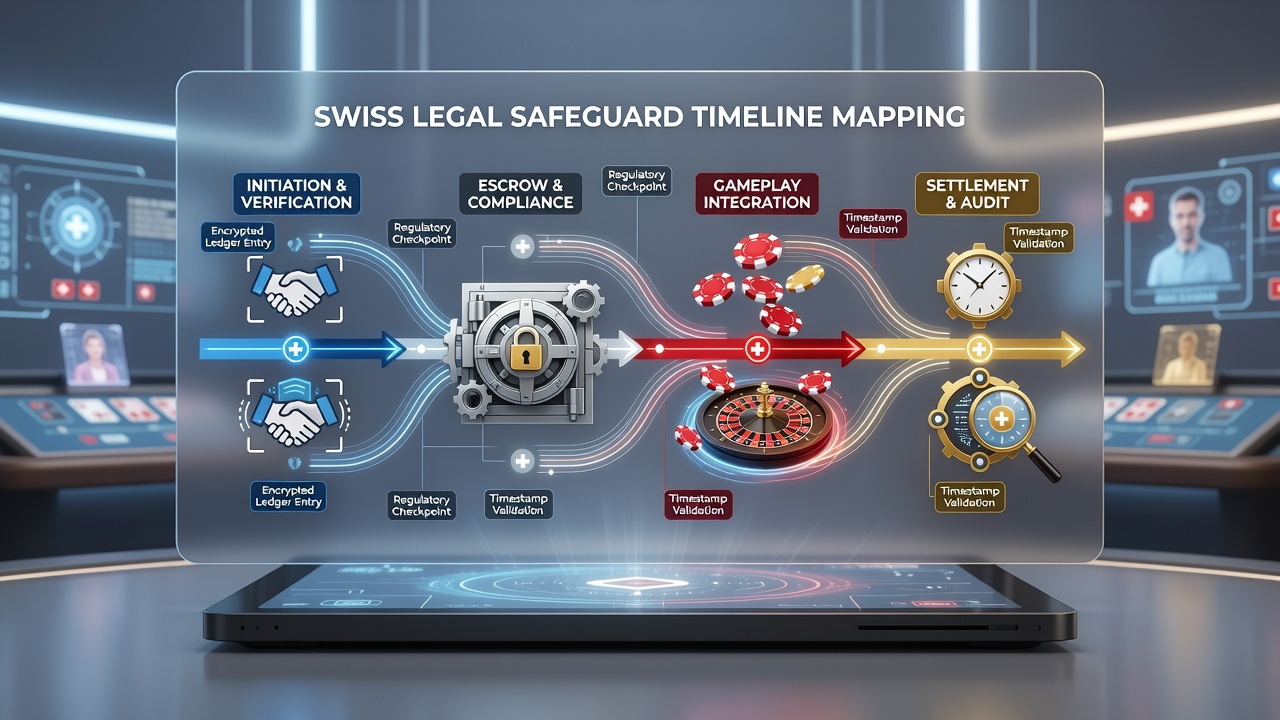
Security protocols require encryption of timeline data both at rest and during transmission, while access controls limit viewing rights to designated compliance personnel. These measures protect sensitive sequences from unauthorized alteration, and regular third-party audits verify that encryption standards remain current with technological developments.
Monitoring and Audit Processes
Regulatory audits examine sample timelines drawn from recent activity, and auditors compare recorded sequences against raw server logs to confirm accuracy. Data shows that platforms with automated reconciliation tools experience fewer discrepancies during these reviews, and operators continue to refine mapping algorithms based on audit feedback received throughout each calendar year.
International comparisons appear in reports from bodies such as the Australian Gambling Research Centre, where researchers have analyzed how different jurisdictions handle transaction sequence verification, and Swiss practices receive attention for their emphasis on granular timestamping within table game environments.
Conclusion
Mapping transaction timelines within Swiss digital table game platforms rests on a combination of precise logging technology and statutory requirements that define data retention, verification steps, and reporting obligations. As operators prepare for the September 2026 enhancements, systems continue to evolve while maintaining the core structure established under existing federal rules. This ongoing alignment supports both regulatory oversight and operational transparency across licensed environments.